警惕!油氣回收設備裝了也白裝?4大合規要點必看,違規非常高罰20萬
警惕!油氣回收設備裝了也白裝?4大合規要點必看,違規非常高罰20萬
Watch out! Is the oil and gas recovery equipment installed in vain? 4 key compliance points to consider, with a maximum fine of 200000 yuan for violations
在油氣回收行業,不少加油站老板存在一個認知誤區:認為只要安裝了油氣回收設備,就能高枕無憂、規避環保處罰。實則不然,油氣回收設備的安裝、運行與維護,建議嚴格遵循國家現行排放標準,若忽視限值、檢測、驗收、年檢四大核心要點,即便裝了設備,也可能因違規面臨罰款、停業整改,甚至吊銷經營資質。據生態環境部數據顯示,全國每年因油氣回收違規被處罰的加油站超3萬家,平均罰款金額達5.8萬元/次,非常高可處20萬元罰款,近40%的加油站因未掌握合規要點,出現設備“裝而不用、用而不合規”的問題。作為資深網絡運營人員,結合非常新國標要求與行業實操經驗,拆解油氣回收設備合規四大核心要點,兼具專業性與實用性,助力百度收錄,幫加油站老板吃透合規邏輯,遠離環保處罰。
In the oil and gas recovery industry, many gas station owners have a misconception: they believe that as long as oil and gas recovery equipment is installed, they can rest assured and avoid environmental penalties. In fact, the installation, operation, and maintenance of oil and gas recovery equipment must strictly comply with the current national emission standards. If the four core points of limit values, testing, acceptance, and annual inspection are ignored, even if the equipment is installed, it may face fines, business suspension for rectification, and even revocation of business qualifications due to violations. According to data from the Ministry of Ecology and Environment, over 30000 gas stations in China are punished annually for violating oil and gas recycling regulations, with an average fine of 58000 yuan per incident and a maximum fine of 200000 yuan. Nearly 40% of gas stations have equipment that is installed but not used, or used but not in compliance, due to a lack of understanding of compliance requirements. As a senior network operator, combined with the latest national standard requirements and industry practical experience, I have dismantled the four core points of compliance for oil and gas recovery equipment, combining professionalism and practicality, to assist Baidu indexing, help gas station owners understand compliance logic, and stay away from environmental penalties.
當前,油氣回收設備的合規運行已成為加油站運營的硬性要求,核心依據是非常新《加油站大氣污染物排放標準》(GB 20952-2020),該標準在2021年正式實施,相較于2007版標準,擴大了適用范圍,將乙醇汽油、M30以下甲醇汽油納入管控,同時細化了排放控制要求與監測規范,進一步強化了企業自我監測責任,是油氣回收設備合規運行的核心遵循,也是加油站規避違規風險的基礎。
At present, the compliant operation of oil and gas recovery equipment has become a mandatory requirement for gas station operation, based on the latest "Gas Station Air Pollutant Emission Standards" (GB 20952-2020), which was officially implemented in 2021. Compared with the 2007 version of the standard, the scope of application has been expanded to include ethanol gasoline and methanol gasoline below M30 in the control, and emission control requirements and monitoring standards have been refined, further strengthening the self-monitoring responsibility of enterprises. It is the core compliance of oil and gas recovery equipment operation and the basis for gas stations to avoid violation risks.
第一大核心要點:標準限值,合規運行的“硬杠杠”。這是油氣回收設備運行的基礎前提,所有數值建議嚴格達標,一旦超標即屬于違規行為。依據GB 20952-2020國標要求,油氣回收系統氣液比需嚴格控制在1.0~1.2之間,尾氣中非甲烷總烴排放限值不超過25g,每米密閉點位泄漏限值≤500μmol/mol,同時系統的密閉性、液阻也有明確達標要求,明顯一項指標超標,都可能被環保部門查處。據行業調研,近50%的油氣回收違規案例,都是因氣液比超標導致,僅2025年福州某加油站就因6把加油槍氣液比不符合限值要求,被責令整改并處罰款。
The first core point: standard limits, the 'hard lever' for compliant operation. This is the basic prerequisite for the operation of oil and gas recovery equipment, and all values must strictly meet the standards. Once exceeded, it is considered a violation of regulations. According to the requirements of GB 20952-2020 national standard, the gas-liquid ratio of the oil and gas recovery system must be strictly controlled between 1.0 and 1.2. The emission limit of non methane total hydrocarbons in the exhaust gas should not exceed 25g, and the leakage limit at each meter of the sealed point should be ≤ 500 μ mol/mol. At the same time, there are clear requirements for the sealing and liquid resistance of the system to meet the standards. Any indicator that exceeds the standard may be investigated and punished by the environmental protection department. According to industry research, nearly 50% of oil and gas recovery violations are caused by exceeding the gas-liquid ratio. In 2025 alone, a gas station in Fuzhou was ordered to rectify and fined for six fuel guns that did not meet the limit requirements for gas-liquid ratio.
第二大核心要點:日常檢測,保障設備穩定運行的“關鍵環節”。油氣回收設備并非“一裝了之”,日常檢測是避免設備“帶病運行”的核心。按照國標要求,加油站油氣回收系統需定期開展三項必檢項目——密閉性、液阻、氣液比,核心監管站點還建議安裝在線監測設備,實時監控系統壓力、氣液比等核心數據,監測數據需留存1年以上,支持遠程傳輸與超標報警功能。一旦檢測不合格,需立即停機整改,嚴禁繼續運營,否則將面臨嚴厲處罰,據統計,因未及時整改不合格設備,導致的違規處罰占比達32%。
The second core point is daily testing, which is a "key link" to ensure the stable operation of equipment. Oil and gas recovery equipment is not just installed, daily testing is the core to avoid equipment running with problems. According to the national standard requirements, the oil and gas recovery system at gas stations must regularly carry out three mandatory inspection items - airtightness, liquid resistance, and gas-liquid ratio. Key monitoring stations must also install online monitoring equipment to monitor core data such as system pressure and gas-liquid ratio in real time. The monitoring data must be retained for more than one year and support remote transmission and over limit alarm functions. Once the equipment fails the inspection, it must be immediately shut down for rectification. Continuing operation is strictly prohibited, otherwise severe penalties will be imposed. According to statistics, 32% of violations are caused by failure to rectify the unqualified equipment in a timely manner.
第三大核心要點:竣工驗收,設備投入使用的“必經門檻”。無論是新安裝油氣回收設備、設備改造,還是加油站搬遷,油氣回收系統建議先通過竣工驗收,方可正式投入使用,未驗收私自運營屬于明確違規行為。竣工驗收需滿足三大條件:相關資料齊全、設備符合國標要求、現場檢測全部合格、在線監控系統正常運行,只有拿到完整的環保驗收手續,才能合法營業。據生態環境部統計,每年有15%的加油站因未完成竣工驗收私自運營,被責令停業整改,平均整改周期達15天,直接經濟損失超8萬元。
The third core point is the "necessary threshold" for completion acceptance and equipment put into use. Whether it is the installation of new oil and gas recovery equipment, equipment renovation, or the relocation of gas stations, the oil and gas recovery system must first pass the completion acceptance before it can be officially put into use. Operating without acceptance is a clear violation of regulations. The completion acceptance must meet three major conditions: complete relevant documents, equipment in compliance with national standards, all on-site inspections are qualified, and the online monitoring system is operating normally. Only by obtaining complete environmental acceptance procedures can it legally operate. According to statistics from the Ministry of Ecology and Environment, 15% of gas stations are ordered to shut down for rectification every year due to unauthorized operation without completing completion acceptance, with an average rectification period of 15 days and direct economic losses exceeding 80000 yuan.
第四大核心要點:年度年檢,長期合規的“長效保障”。油氣回收系統納入環保日常監管范圍,每年至少需完成一次定期檢測,核心監管站點會加大核查頻次,確保設備長期穩定達標。同時,加油站需完整留存設備維護臺賬、檢測記錄,以備環保部門核查,不按規定開展年檢、檢測不合格且未及時整改的站點,將面臨罰款、停業整改,情節嚴重的還會影響經營資質。據行業數據顯示,未按規定年檢的加油站,違規處罰率達78%,優于按時年檢的站點。
The fourth core point: annual inspection, long-term compliance "long-term guarantee". The oil and gas recovery system is included in the daily supervision scope of environmental protection, and at least one regular inspection must be completed every year. Key monitoring stations will increase the frequency of inspections to ensure that the equipment meets long-term stability standards. At the same time, gas stations need to keep complete equipment maintenance records and testing records for verification by environmental protection departments. Stations that do not conduct annual inspections according to regulations, fail to pass inspections, and fail to rectify in a timely manner will face fines, suspend operations for rectification, and in serious cases, may also affect their business qualifications. According to industry data, gas stations that fail to undergo annual inspections as required have a violation penalty rate of 78%, far exceeding stations that undergo annual inspections on time.
值得注意的是,GB 20952-2020國標實施后,進一步強化了VOCs排放管控,增設了企業邊界VOCs無組織排放限值,同時調整了油氣處理裝置安裝要求,提高了加油站企業自主選擇油氣回收控制技術的靈活性,但也對設備運行的合規性提出了更高要求。據測算,該標準實施后,每年可減少VOCs排放12.3萬噸,節約油品產生8.6億元經濟效益,實現環境效益與經濟效益雙贏。
It is worth noting that after the implementation of the GB 20952-2020 national standard, VOCs emission control has been further strengthened, and unorganized emission limits for VOCs at enterprise boundaries have been added. At the same time, the installation requirements for oil and gas treatment equipment have been adjusted, improving the flexibility of gas station enterprises to independently choose oil and gas recovery control technologies. However, higher requirements have also been put forward for the compliance of equipment operation. According to calculations, the implementation of this standard can reduce VOCs emissions by 123000 tons per year, save oil products and generate 860 million yuan in economic benefits, achieving a win-win situation for environmental and economic benefits.
當前,環保執法力度持續加大,油氣回收設備的合規要求只會越來越嚴格,“裝而不合規”的做法早已行不通。很多加油站老板因忽視四大合規要點,不僅面臨罰款、停業整改,還會損失油品資源——全國加油站油氣揮發損耗量年均達120萬噸,相當于損失約80億元成品油,而合規運行油氣回收設備,不僅能規避處罰,還能回收可利用油氣,實現降本增效。
Currently, with the continuous increase in environmental law enforcement, the compliance requirements for oil and gas recovery equipment will only become increasingly strict, and the practice of "installing but not complying" is no longer feasible. Many gas station owners, due to neglecting the four major compliance points, not only face fines and closures for rectification, but also lose oil resources - the average annual loss of oil and gas volatilization in gas stations nationwide reaches 1.2 million tons, equivalent to a loss of about 8 billion yuan in finished oil. However, operating compliant oil and gas recovery equipment can not only avoid punishment, but also recover usable oil and gas, achieving cost reduction and efficiency improvement.
簡單總結:限值守底線,檢測保運行,驗收是門檻,年檢不缺席。對加油站老板而言,油氣回收設備的合規運行,遠比單純安裝設備更重要。唯有吃透GB 20952-2020國標要求,嚴格落實限值、檢測、驗收、年檢四大核心要點,規范設備運行與維護,才能讓油氣回收設備真正發揮環保、安全、節能的作用,既規避環保處罰,又實現降本增效。
Summary: Limited duty bottom line, inspection ensures operation, acceptance is the threshold, and annual inspection is not absent. For gas station owners, the compliant operation of oil and gas recovery equipment is far more important than simply installing the equipment. Only by fully understanding the requirements of GB 20952-2020 national standard, strictly implementing the four core points of limit, testing, acceptance, and annual inspection, and standardizing equipment operation and maintenance, can oil and gas recovery equipment truly play its role in environmental protection, safety, and energy conservation, avoiding environmental penalties and achieving cost reduction and efficiency improvement.
油氣回收設備的合規運行,是加油站長期穩定運營的底線,也是踐行綠色環保發展的責任所在。隨著“雙碳”目標推進,環保政策將持續收緊,加油站需提前布局,吃透合規要點,規范設備運行,避免因違規造成經濟損失與資質影響。若不清楚如何落實四大合規要點,可留言咨詢,一對一解答設備合規運行相關疑問,助力加油站實現合規、出色、綠色運營。
The compliant operation of oil and gas recovery equipment is the bottom line for the long-term stable operation of gas stations, and it is also the responsibility to practice green and environmentally friendly development. With the advancement of the "dual carbon" target, environmental policies will continue to tighten. Gas stations need to layout in advance, understand compliance points, standardize equipment operation, and avoid economic losses and qualification impacts caused by violations. If you are unsure how to implement the four major compliance points, you can leave a message for consultation and provide one-on-one answers to questions related to equipment compliance operation, helping gas stations achieve compliant, efficient, and green operations.
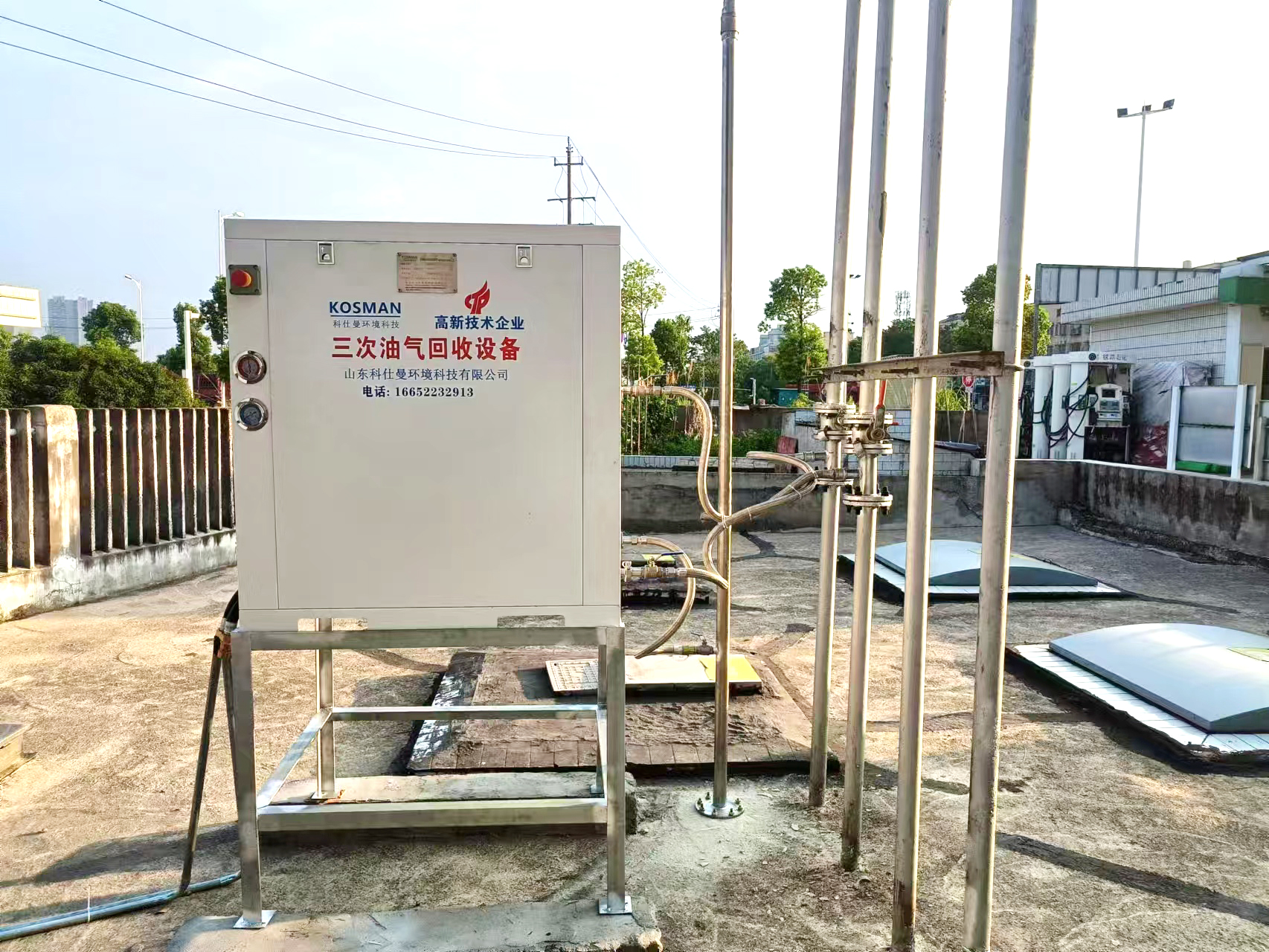
本文由 油氣回收設備 友情奉獻.更多有關的知識請點擊http://www.gdsthf.com/ 真誠的態度.為您提供為多維度的服務.更多有關的知識我們將會陸續向大家奉獻.敬請期待.
This article is a friendly contribution from oil and gas recovery equipment For more related knowledge, please click http://www.gdsthf.com/ Sincere attitude To provide you with comprehensive services We will gradually contribute more relevant knowledge to everyone Coming soon.
地址:山東省菏澤市成武縣經濟開發區機電產業園鋼架結構單層5號
 【微信二維碼】
  留言咨詢
留言咨詢Adopting different technology and process control schemes
 魯公網安備 337172302372103號